
Company overview
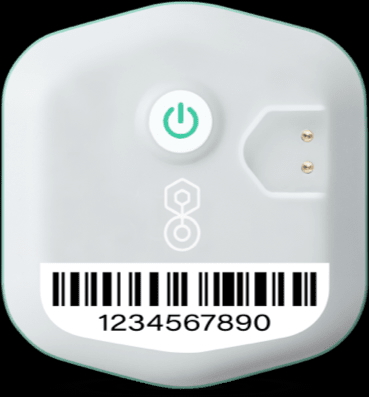
BioIntelliSense builds wearable medical-grade sensors that continuously monitor a hospital patient's vital signs and stream the data to a clinical-monitoring platform that flags early signs of patient deterioration. The hardware is two devices and a network. The BioButton is a coin-sized rechargeable wearable that sticks to a patient's upper torso and captures heart rate, respiratory rate, skin temperature, body position, activity level, and sleep continuously throughout an inpatient stay; a multi-patient version is designed for reuse across medical-surgical units, emergency departments, and specialty care. The single-use BioSticker is a disposable adhesive form factor that covers up to 30 days of continuous monitoring, used for post-acute care and home-based remote patient monitoring programs. BioHub gateways (cellular and Wi-Fi) carry the patient data from the facility or home back to BioIntelliSense's cloud platform, where a clinical dashboard surfaces vital-sign trends and exception alerts to a hospital's central monitoring team. Hospital studies on the platform report substantial improvements in early detection of clinical deterioration, with continuous vital-sign trends catching adverse changes hours earlier than the traditional four-to-six-hour manual vitals check.
Hospitals do not buy BioIntelliSense wearables outright as capital equipment. The model is hardware-as-a-service, which BioIntelliSense markets as Data-as-a-Service: a recurring fee covers the BioButton or BioSticker, the BioHub gateway, the dashboard and exception-management software, and the cloud analytics layer that turns raw vital-sign telemetry into deterioration alerts. The commercial path goes two ways. Direct enterprise sales reach individual hospital systems and post-acute networks, and a Medtronic distribution partnership gives Medtronic exclusive US distribution rights for hospital and hospital-to-home deployment of the BioButton. The pricing model is structured around patient-days monitored rather than hardware-unit count, which lines up with how hospitals already think about per-patient-per-day operational costs.
Customers and target markets
- Hospital systems
- post-acute care networks
- and home-based remote patient monitoring programs
Company metrics
- Headquarters:
- Golden, Colorado
- Company size:
- 51-200
- Founded:
- 2018
- Industries: